The Da Vinci Code Mysteries
A pilgrimage along the mystical trails of the South of France. Journey through enigmatic landscapes that inspired The Da Vinci Code, follow the legendary path of Mary Magdalene, and uncover the suppressed history of the Cathars and the esoteric teachings the Church sought to erase. Explore sacred pathways, ancient monoliths, and astonishing remnants of a forgotten civilization that defy conventional history.
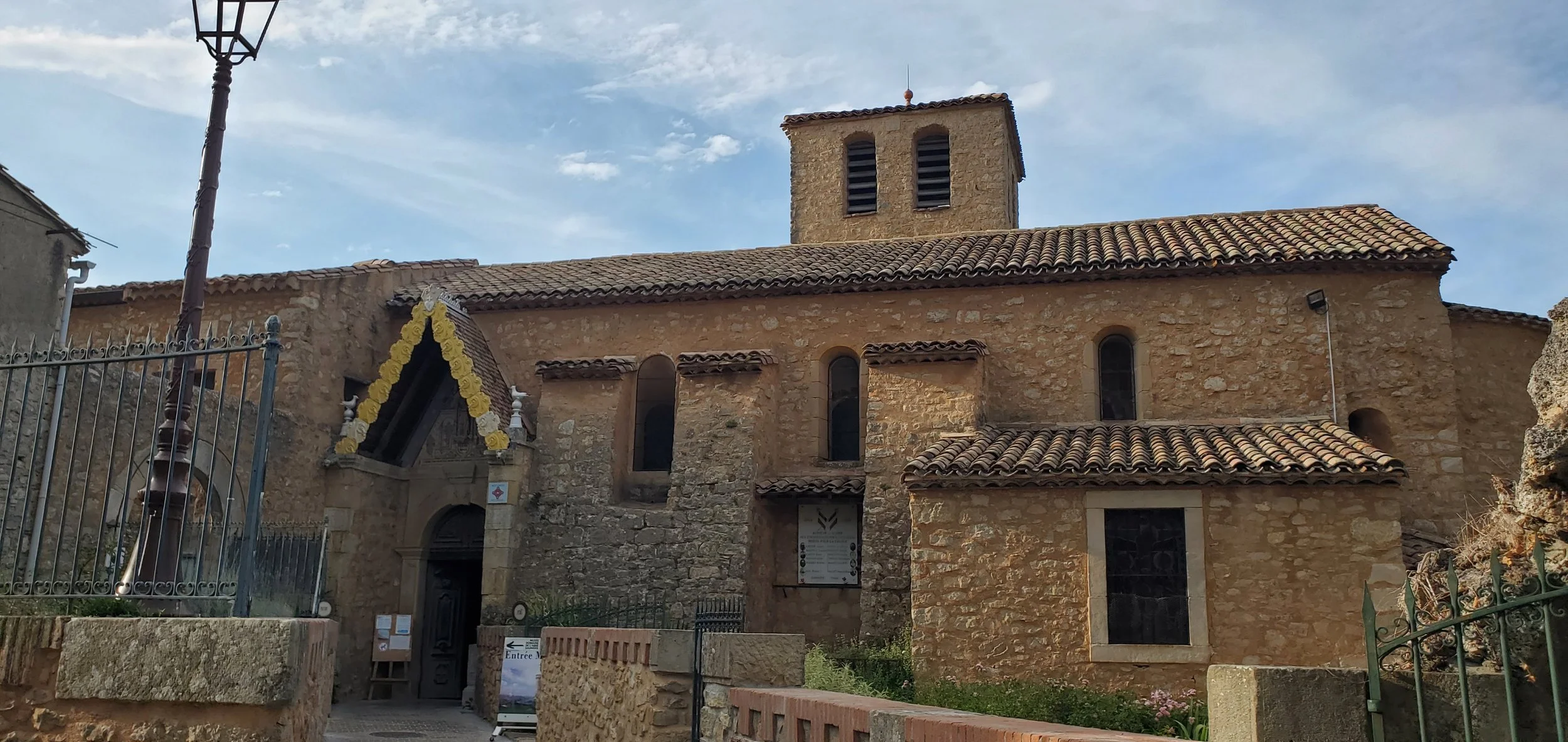
Ancient Mysteries of the South of France
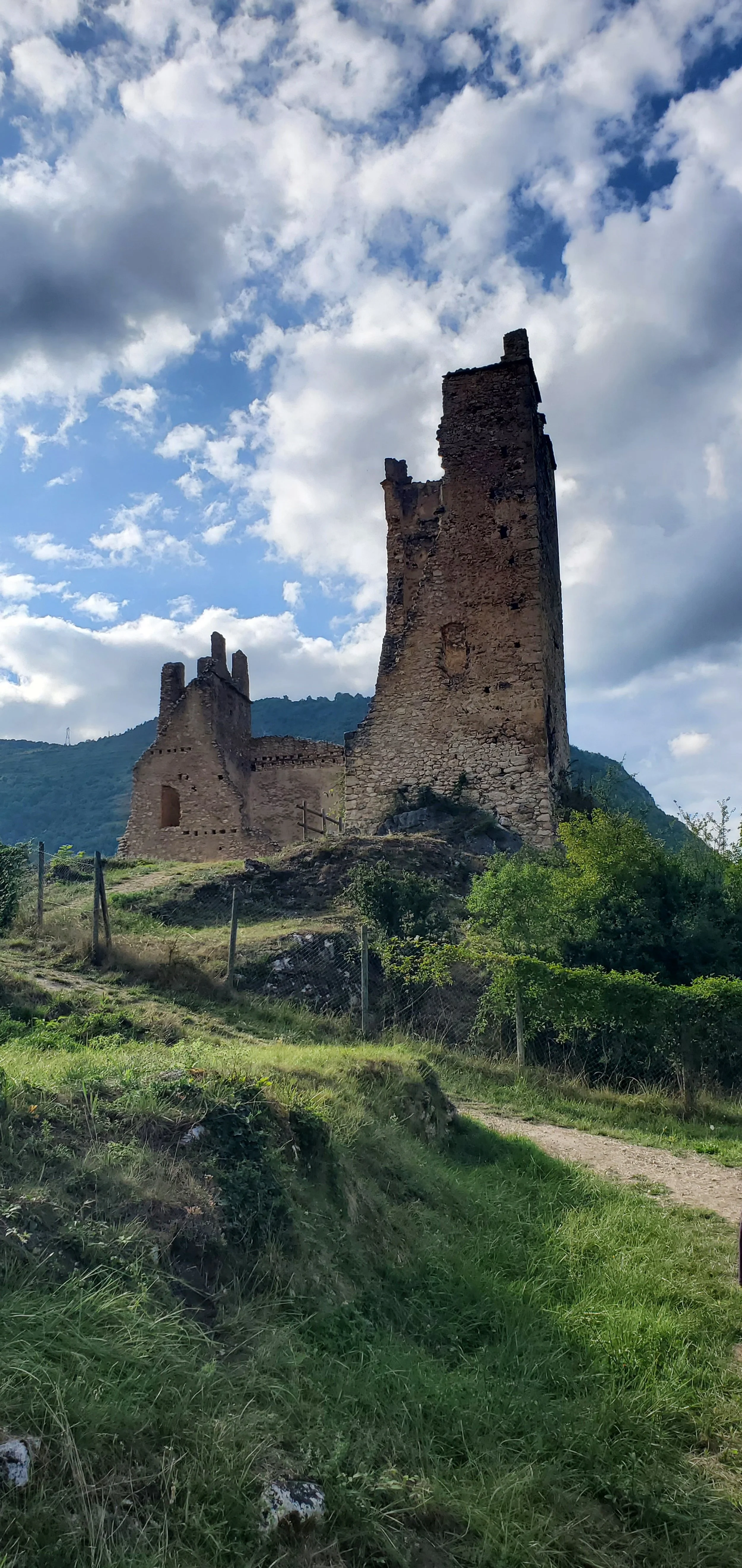
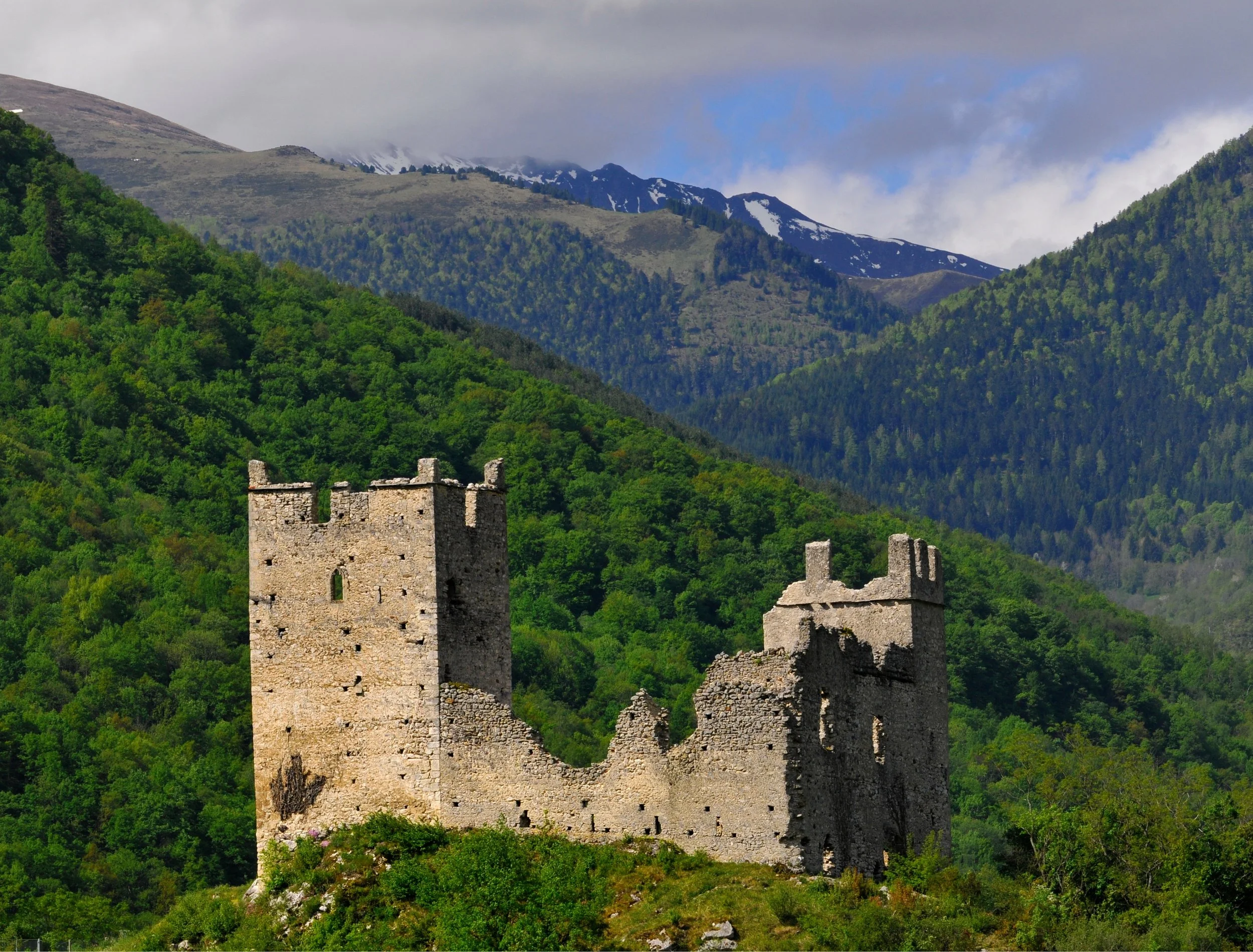
The Merovingians, Mary Magdalene and her descendants, the Cathars, the Knights Templar, the Holy Grail, The Da Vinci Code, Druidic traditions, Atlantean Magic, and other ancient mysteries all converge in the Languedoc region of the South of France, which we explore in depth on this journey.
This land has been shaped by sacred lineages, suppressed knowledge, and powerful spiritual movements whose traces remain visible to those who know where — and how — to look.
The Merovingians
The Merovingians were the semi-legendary rulers of early France. According to some traditions, they possessed mystical or supernatural qualities, and their origins remain largely obscured due to the historical darkness of the early medieval period.
One enduring theory suggests that the Merovingian bloodline did not disappear, but survived secretly in the South of France. It is here that some researchers identify a possible connection between the Merovingians and Mary Magdalene, a lineage that continues to fuel esoteric and historical inquiry.
Mary Magdalene
Mary Magdalene is believed by many to have been Jesus Christ’s closest disciple — and possibly his partner or wife. Over time, her role was deliberately distorted by the Catholic Church, confusing her with a prostitute and diminishing her spiritual importance.
According to ancient legends, Mary Magdalene had at least one child with Jesus, and that she — or her descendants — traveled across the Mediterranean to the South of France, where they taught what some consider the original, uncorrupted form of Christianity. Her presence remains deeply woven into the sacred geography of the region.
The Cathars
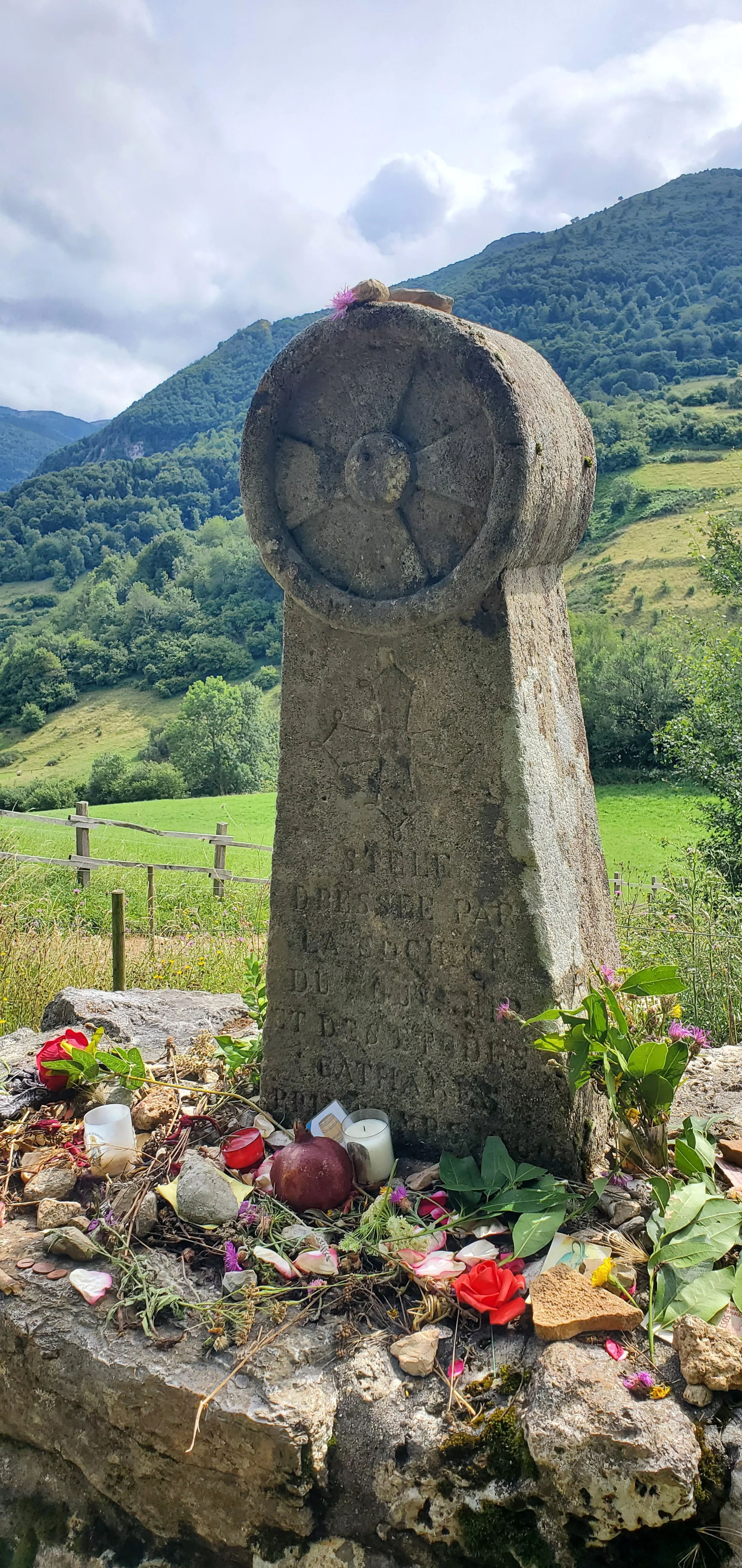
The Cathars were a Gnostic Christian movement that flourished in the Languedoc region of southern France, gaining widespread support — even among the nobility.
Cathars believed the material world was created by an evil or inferior deity known as the Demiurge, and therefore lived lives of renunciation, humility, and spiritual purity. The term Cathar derives from the Greek katharos, meaning “pure.”
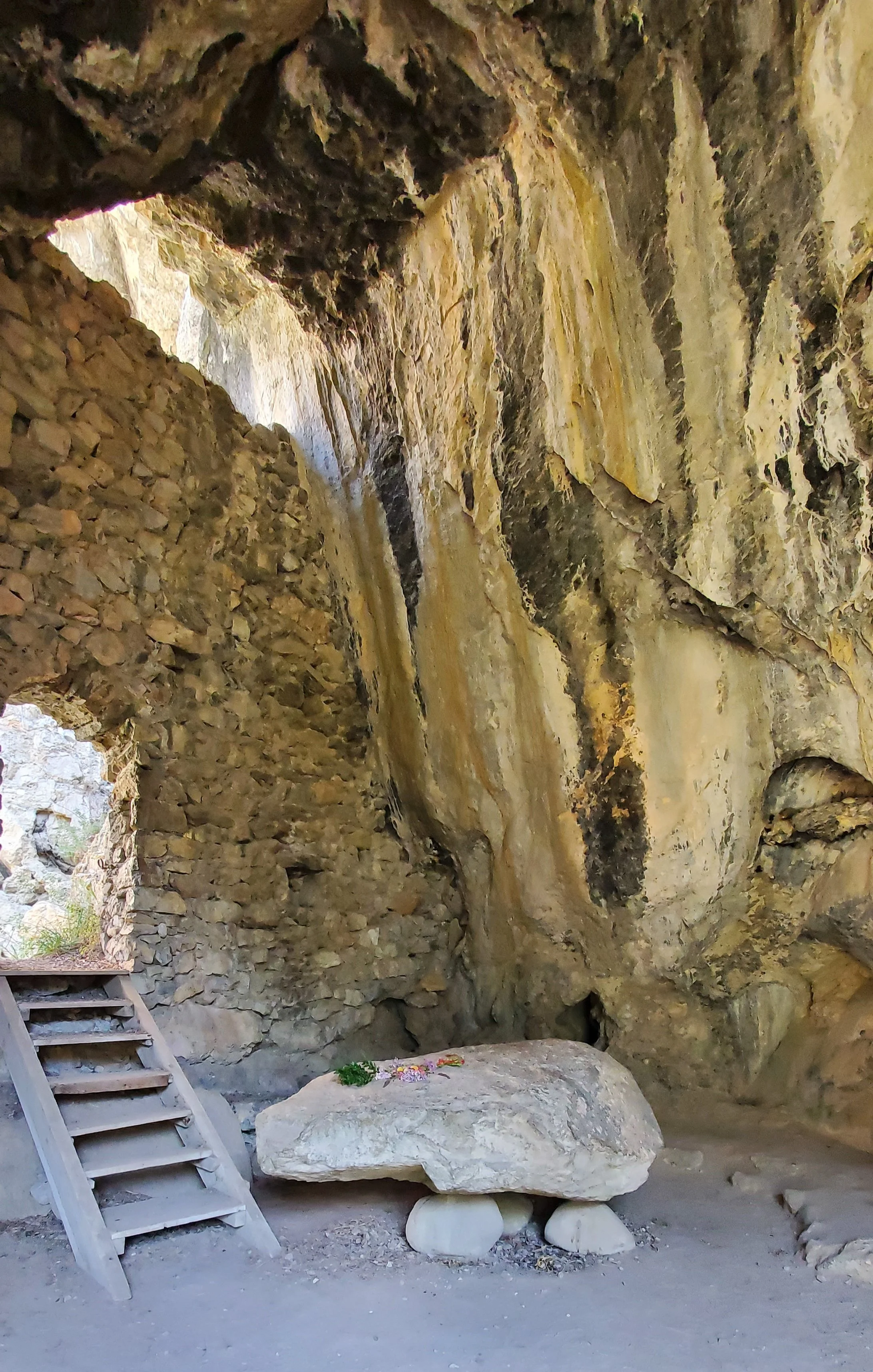
They rejected the Catholic Church, which they viewed as corrupt and materialistic, and worshipped instead in caves and remote natural sanctuaries. Their beliefs led the Church to launch the Albigensian Crusade in the early 13th century, resulting in their brutal extermination. What knowledge did they preserve — and what secrets survived them? These are questions we explore throughout this tour.
The Knights Templar
The Knights Templar were a powerful military order tasked with protecting pilgrimage routes to Jerusalem. Over time, they established hostels, trade routes, and early banking systems, becoming immensely wealthy and influential.
It is widely believed that the Templars came into direct contact with early Christian teachings and ancient relics in the Eastern Mediterranean. Some legends claim they acquired the Holy Grail, or other sacred objects — knowledge that may have contributed to the Catholic Church’s decision to eliminate them.
The Holy Grail
The Holy Grail is the legendary cup from which Jesus and his disciples drank wine at the Last Supper — described in the Gospels as “the fruit of the vine,” which Jesus identified as his blood of the covenant.
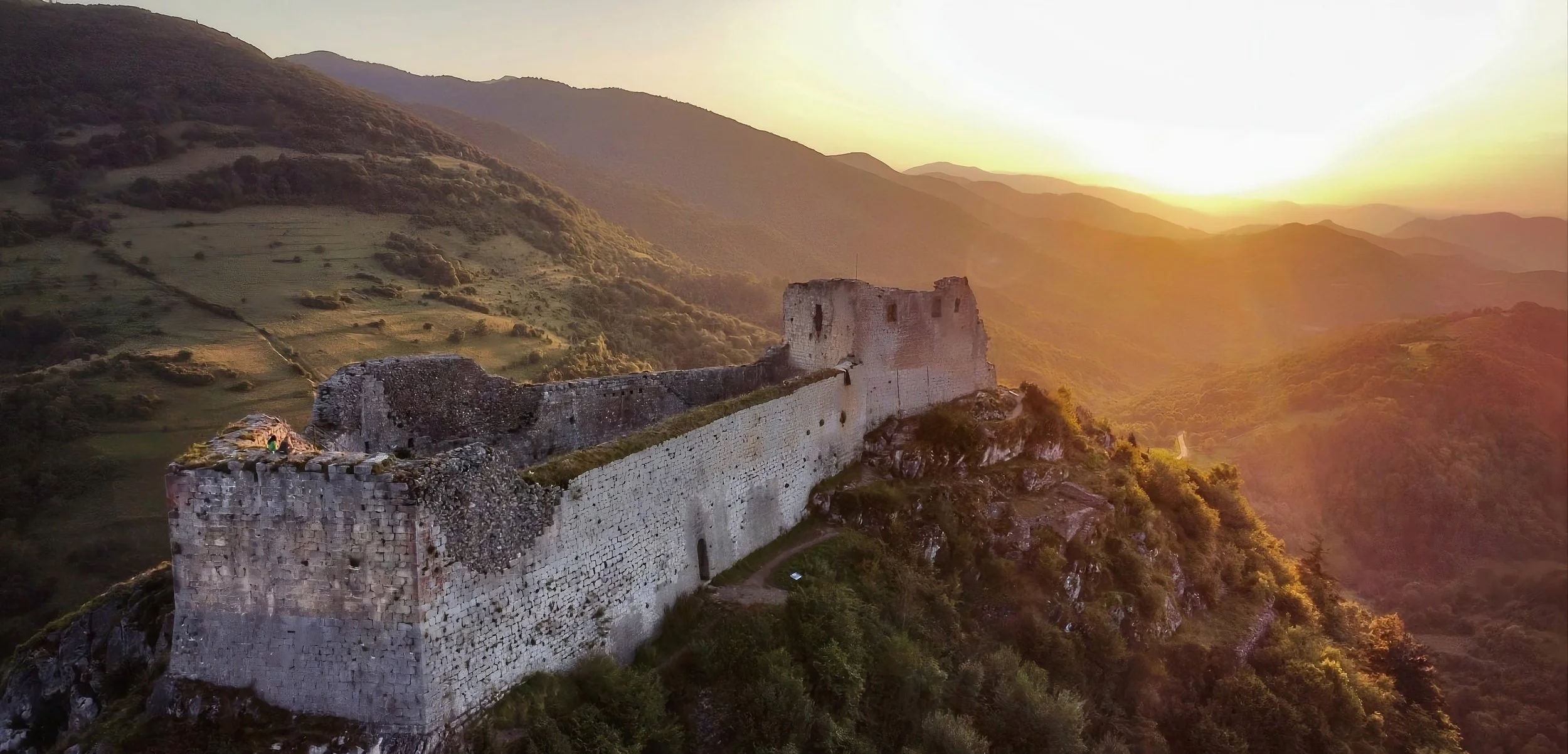
According to legend, Joseph of Arimathea, who assumed responsibility for Jesus’ burial, used the Grail to collect Christ’s blood at Golgotha and later carried it into Europe. Some traditions suggest the Grail was safeguarded by the Cathars, possibly hidden by the two Cathar children who escaped the siege of Montségur. Others associate the Grail with the Templars, crediting it with supernatural powers.
The legend was taken so seriously that during World War II, German researcher Otto Rahn explored the caves of the Languedoc in search of the Grail and related mysteries — expeditions later sponsored by the Nazi regime. Rahn would go on to inspire the character of Indiana Jones.
The Da Vinci Code
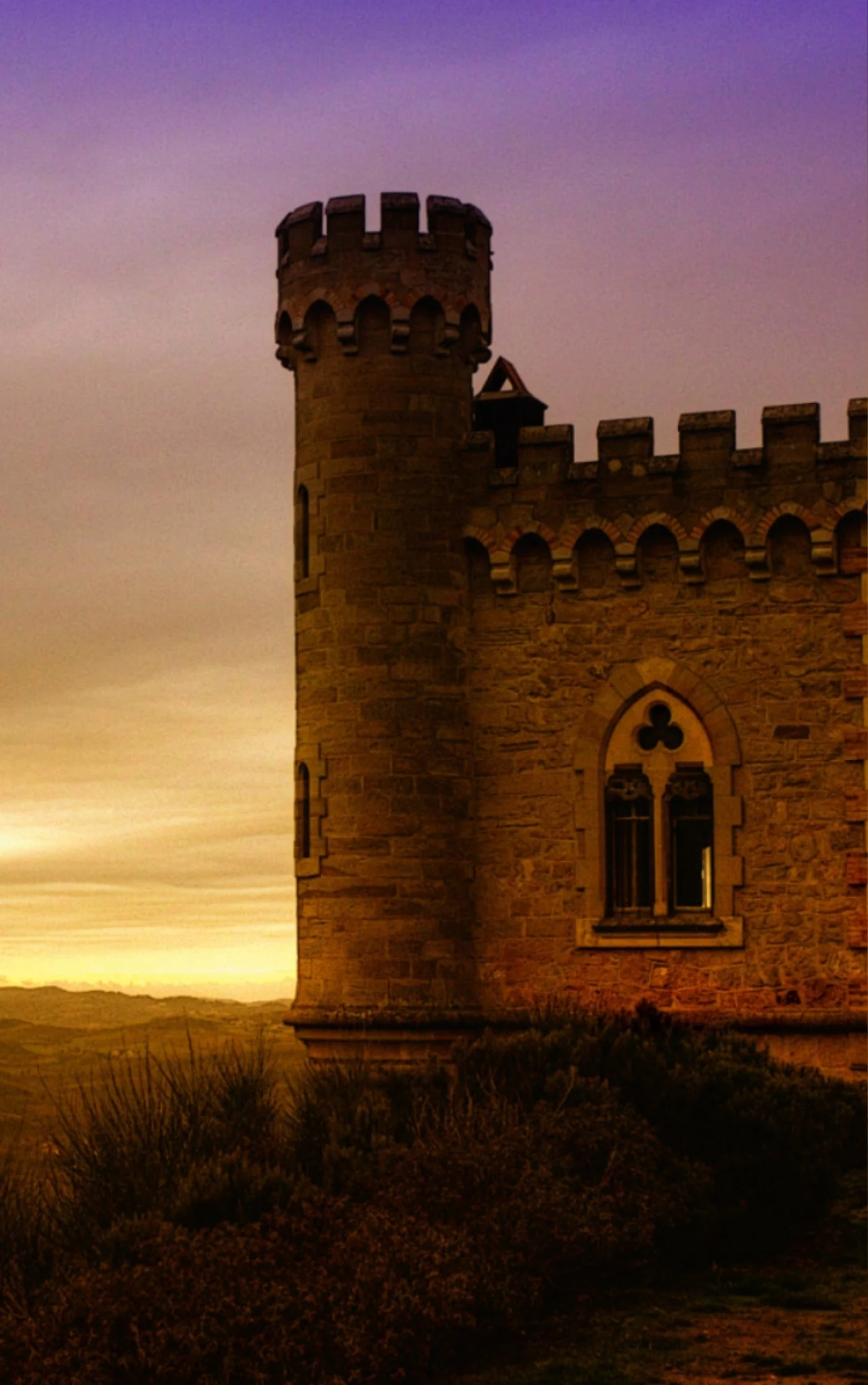
Dan Brown’s The Da Vinci Code was inspired by real events linked to the small village of Rennes-le-Château. One of the novel’s key characters was inspired by Bérenger Saunière, a Catholic priest sent to serve as the abbé of the village church.
Saunière inexplicably became wealthy after discovering something hidden within the church — dedicated to Mary Magdalene. He spent vast sums renovating the building and constructing an elaborate villa nearby. Some believe he uncovered a Merovingian or Visigothic treasure; others claim he found parchments revealing the names of those carrying Mary Magdalene’s lineage.
The mystery deepens when one observes the church itself, filled with cryptic symbols and references to various esoteric orders. Saunière also developed relationships with influential European noble families who provided him with substantial financial support. Why would a remote French village attract such attention? What was being protected — or concealed? These unanswered questions make Rennes-le-Château one of the world’s greatest mysteries.
The Druids and the Ancient Landscape
Finally, we explore the prehistoric past of the Languedoc, a region once inhabited by Celts, Druids, and even earlier civilizations. This ancient landscape is marked by caves, dolmens, and monumental stone structures that suggest intentional design.
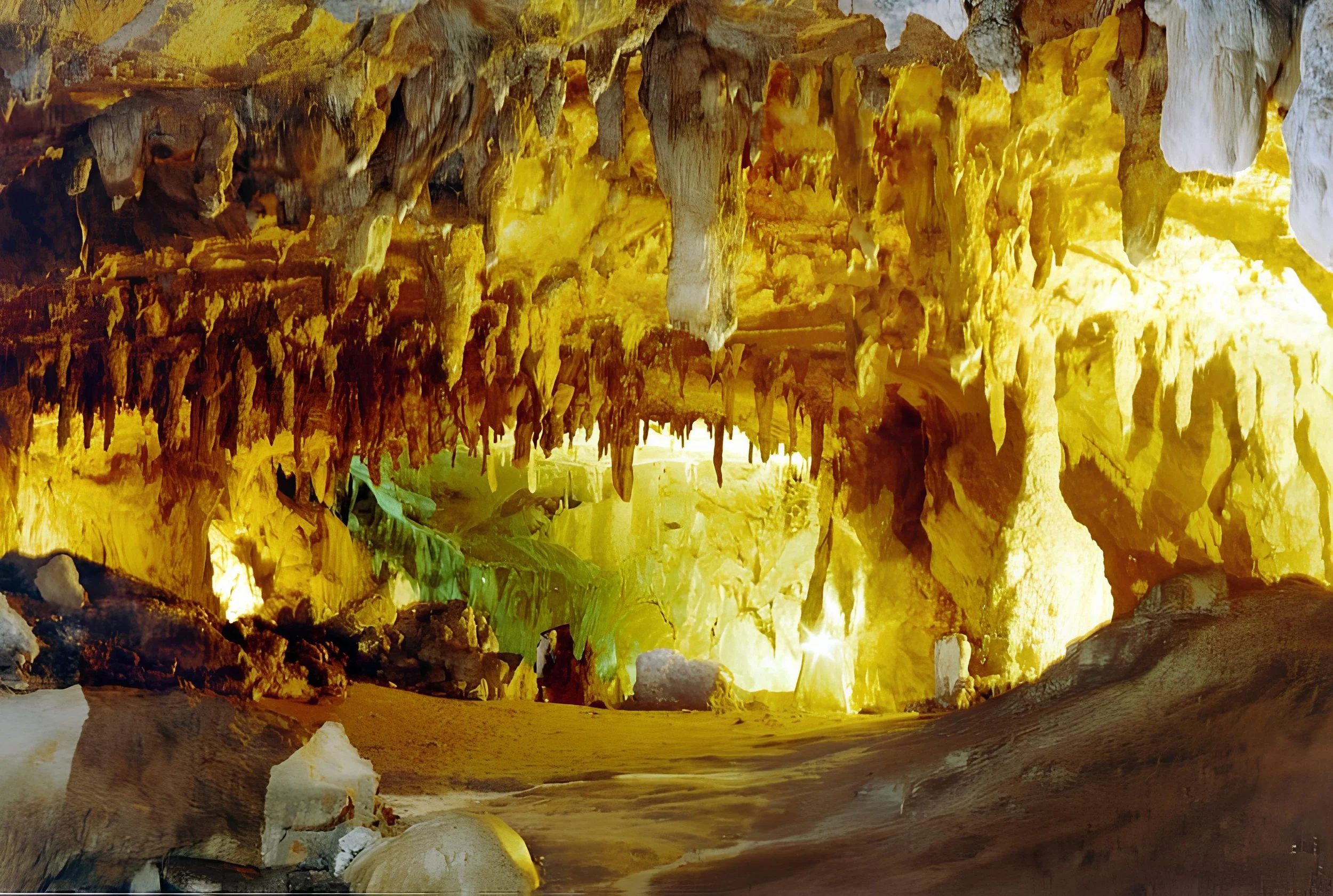
On this journey, we explore Europe’s largest cave system, a vast subterranean world where many of these traditions converge. Is it a point of access to another world?
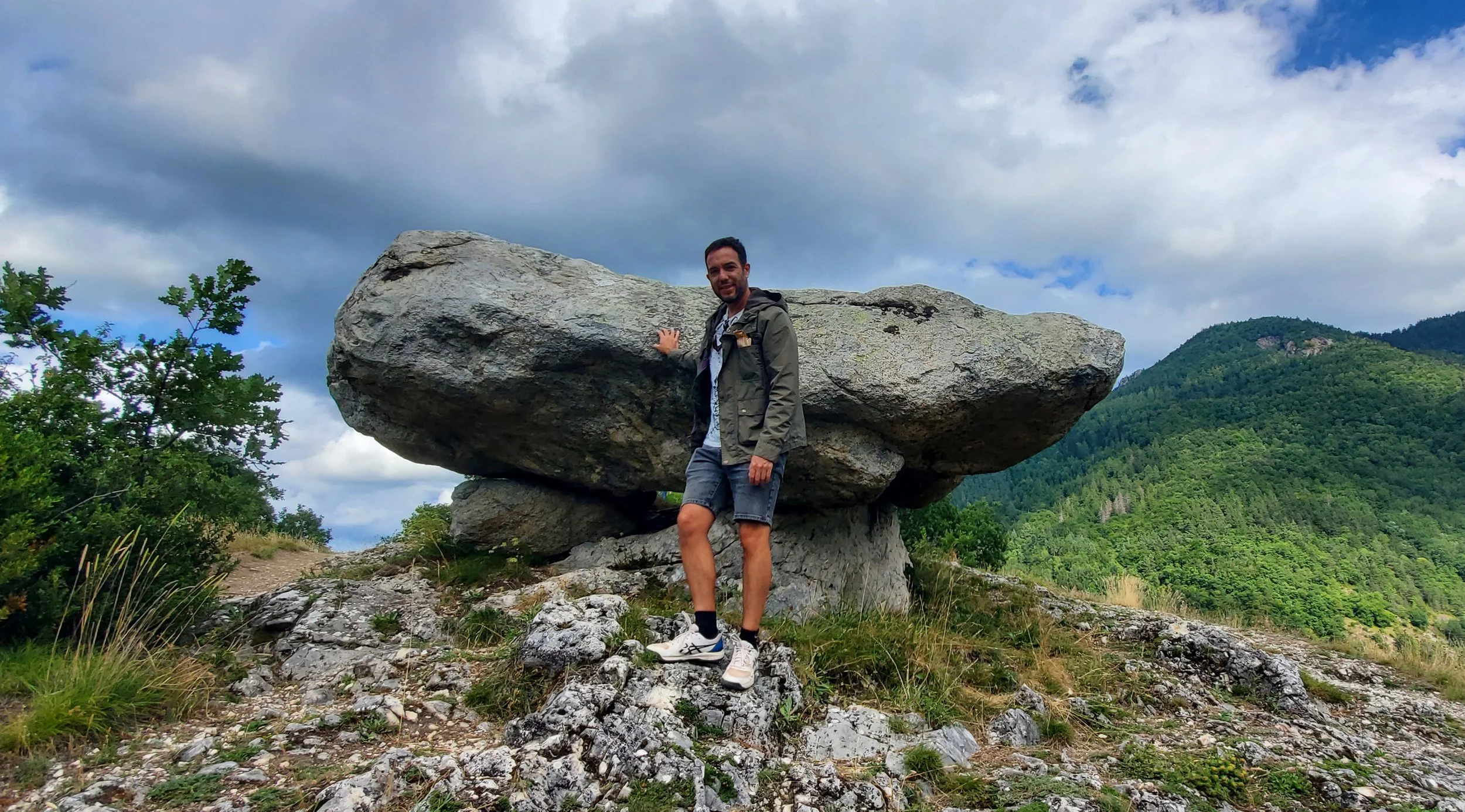
We also follow a trail of monoliths stretching for kilometers along the Pyrenees — massive, seemingly man-made stone structures which would equal or surpass the magnitude of the pyramids of Giza in Egypt. If indeed this is man-made, and I think you will agree with me once you see this, what kind of civilization would be capable of carrying out such gigantic work? This anomaly is unexplored by historians and archaeologists, adding yet another layer to the mystery of this region.
A Land Where Mysteries Converge
This tour invites you to step beyond conventional history and explore a land where legend, spirituality, and ancient knowledge intersect. It does not offer easy answers — but it offers an unforgettable encounter with the mysteries that shaped Europe.
Dates
September 10 – September 12 (2 days and 3 nights)
Estimated Investment
€1700 – €1900 per person
Final pricing will be confirmed once the minimum group size is reached.
This estimated range includes accommodation, daily breakfast, select group meals, all ground transportation, entrance fees, and expert guidance throughout the expedition.
How to Reserve Your Place
This expedition is offered to a small, limited group and requires a minimum number of participants to operate.
To ensure flexibility and reduce risk for everyone involved, reservations are handled in two stages: